$214K in 12 Weeks: A Lifecycle Email Strategy That Delivered
A segmented back-to-school email campaign that reactivated 961 dormant customers and generated $214K in revenue.
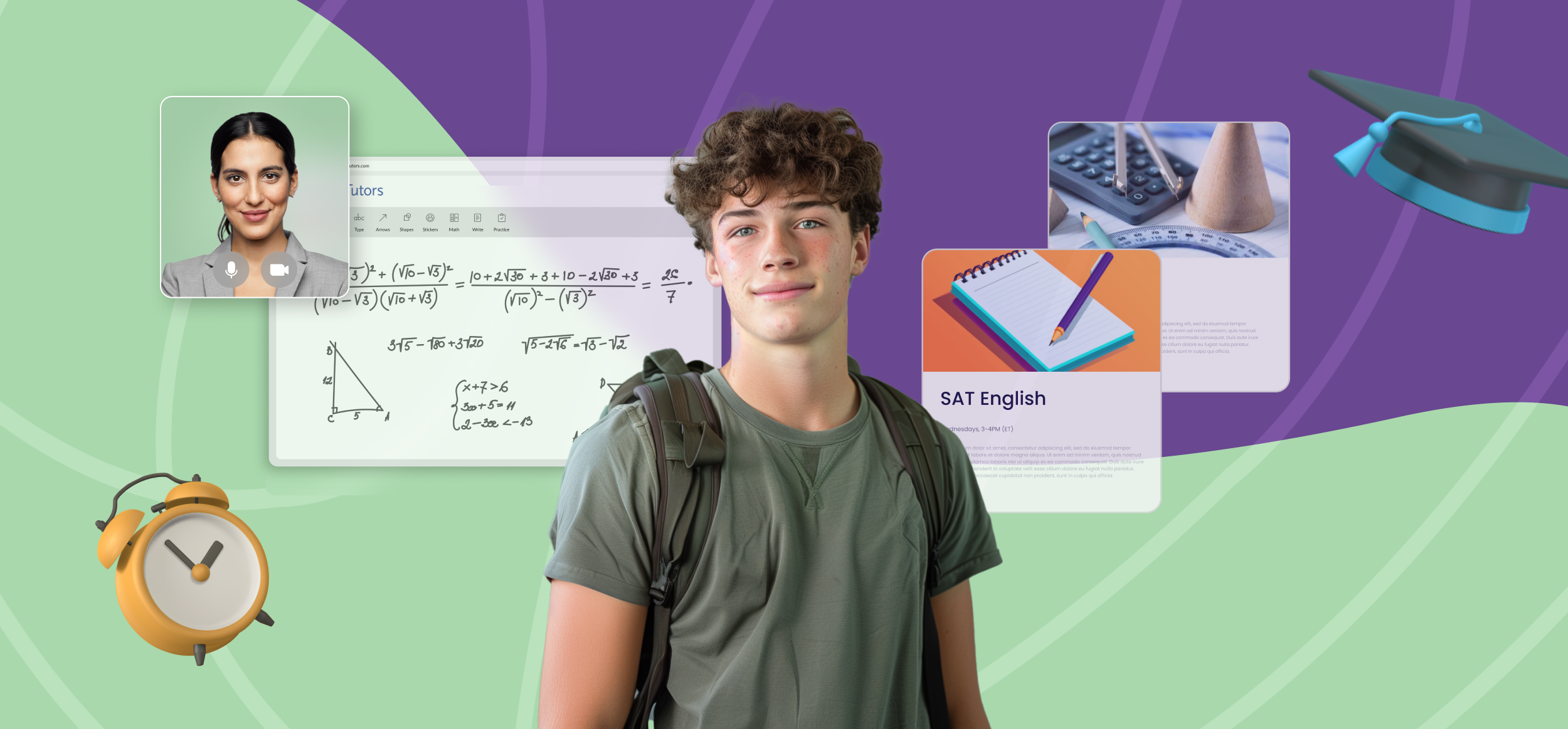
A back-to-school email campaign for Varsity Tutors that re-engaged customers who hadn't interacted with the brand in more than six months. I owned the segmentation, creative direction, and messaging. Tailoring visuals and messaging to each segment generated $214,122 in revenue and reactivated 961 customers.
The challenge
Bringing dormant customers back
A large group of customers hadn't engaged in more than six months. The campaign had three goals:
- Increase opens and clicks: stronger subject lines and targeted content.
- Drive revenue: direct sales from email, plus incremental campaign lift.
- Reactivate dormant customers: personalized messaging that brings lapsed subscribers back.
The approach
Designed around who we were talking to
We built the creative around each audience segment rather than the product, with distinct visuals and messaging for each one.
K to 5 parents
- Design: bright, playful colors and cheerful school scenes with younger children.
- Message: building confidence, preventing summer learning loss, and excitement for learning, in a nurturing tone. We also tested messaging that underscored the importance of consistent learning.
Grades 6 to 12 students and parents
- Design: bold type and more mature photography of middle and high schoolers.
- Message: academic achievement, test prep, and growing independence, speaking to parents about organization and to students about confidence and college readiness.
College and adult learners
- Design: a clean, refined look that resonates with older students and working adults.
- Message: personal goals, career-focused learning, and balancing work, family, and classes.

Each segment had its own look, but every email followed the core brand guidelines for logo placement, typography, and CTA styling.
Strategy
- Segmentation: lists divided by behavior and engagement history, with subject lines, images, and messaging tailored to each segment.
- Plain text and visual templates: plain text for high-intent segments to feel personal and prompt action, and HTML templates to build brand equity with broader segments.
- Timing: sends concentrated in August, especially the weeks of 8/18 and 8/25, with frequency adjusted to limit unsubscribes.
The results
Campaign performance
| Metric | Result |
|---|---|
| Total opens | 794,590 |
| Average open rate | 31% |
| Total clicks | 8,584 |
| Average CTR | 1.08% |
| Total revenue | $214,122 |
| Direct response revenue | $62,239 |
| Campaign lift | $151,883 |
August was the peak
Open rates reached 43% and CTR reached 3.41%, with the strongest revenue in the weeks of 8/18 and 8/25. Unsubscribes also rose, which pointed to the need for more granular segmentation and preference management during high-volume periods.
Reactivated customers
| Metric | Result |
|---|---|
| Total reactivations | 961 |
| Direct response | 301 |
| Campaign lift | 660 |
| Average revenue per reactivated customer | $222.81 |
Personalized content and well-timed incentives turned nearly a thousand inactive subscribers back into active customers.

What we learned
- Unsubscribes: high-volume sends need more granular segmentation and preference centers.
- Plain text vs. visual: plain text drove higher engagement, especially with dormant users, while visual templates carried the brand story. Next step: test hybrid designs with one strong image and concise copy.
- Ongoing testing: A/B testing subject lines, send times, and CTA placement will shape future seasonal campaigns.
The result
Revenue generated by a segmented, design-driven campaign that reactivated 961 lapsed customers.